This page has been translated automatically and has not yet been verified by experts.
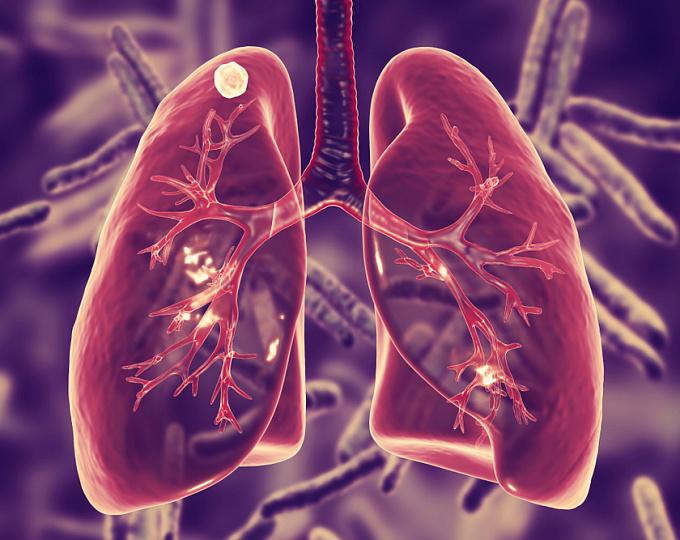
Every year, on the initiative of the World Health Organization (WHO), World Tuberculosis Day is celebrated on March 24.
The purpose of the information campaign is to attract public attention to the problems of anti-tuberculosis work, inform the population about the disease and measures for its prevention. The date was not chosen by chance; it was on this day, more than 130 years ago, that the causative agent of this disease, Mycobacterium tuberculosis, was discovered by Robert Koch. This discovery allowed significant progress in the field of diagnosis, treatment and prevention of this disease.
Tuberculosis is an infectious disease caused by Mycobacterium tuberculosis (MBT) and characterized by different (mainly pulmonary) localization, a variety of clinical manifestations, intoxication, and allergization of the body.
Where and how can you become infected with tuberculosis?
Tuberculosis is transmitted by airborne droplets from a patient secreting MBT. Anyone can inhale infected air that contains MBT. The main source of infection is the sputum of a patient with a contagious form of tuberculosis, the smallest droplets of which, infected with MBT, become airborne when coughing, sneezing, talking, laughing, yawning, or spitting. Then, along with the air flow, they enter the lungs of healthy people. You can become infected with tuberculosis in a crowded, poorly ventilated room if there is a patient in it with the release of mycobacteria into the environment.
The probability of developing active tuberculosis in a healthy person is 5-10%. Two factors play a role in the occurrence of the disease in a person infected with tuberculosis:
The number of MBTs that have entered the body (depends on the proximity of contact with a patient with tuberculosis and the massiveness of his bacterial excretion).
The state of the body's defenses.
What are the symptoms of tuberculosis?
The general condition of the patient is increased fatigue, weakness, especially pronounced in the morning, decreased performance, loss of appetite;
General appearance of the patient – weight loss, etc.;
Temperature – increased body temperature in the evening or at night, sweating at night, chills;
Cough – a cough that persists for more than 3 weeks should alert you and cause you to see a doctor.
Hemoptysis.
In children, the early stage of the disease is manifested mainly only by general poisoning by the poisons of tuberculosis microbes, which is reflected in long-term – for weeks, even months – elevated temperature (up to 37.4–37.6˚C), poor appetite, and frequent “colds”. The child is capricious and lethargic. Lesions of individual organs are not found. Less commonly, tuberculosis can begin acutely, with high fever (up to 38-39˚C) and general malaise. After some time, the temperature decreases, weakness and fatigue remain.
Tuberculosis in the initial stages can be asymptomatic and some of the indicated signs of tuberculosis can also be observed in other diseases, therefore, if the above symptoms occur, it is imperative to contact your local general practitioner for a more thorough diagnosis.
How is tuberculosis diagnosed?
Tuberculosis disease is detected by two main methods:
- X-ray (allows you to identify initial tuberculous changes in the lungs, and then track the course of the disease during treatment).
- Bacteriological (sputum smear microscopy, culture of material on a nutrient medium)
Where and how can I get tested?
An X-ray examination of the chest can be done at a local clinic. If tuberculosis is suspected, a local doctor or medical specialist, after a clinical examination, will refer you for a consultation with a phthisiatrician at an anti-tuberculosis dispensary.
A late diagnosis of tuberculosis is dangerous both for the patient himself and for those around him. Due to the often hidden onset of tuberculosis or its course under the “mask” of other diseases, in particular ARVI, only a small part of patients consult a doctor in the early stages of the disease. Therefore, tuberculosis must be actively detected. A mass survey of the population serves this purpose. Fluorography is one of the methods of x-ray examination. This examination method is suitable for persons over 17 years of age. Unfortunately, some citizens shy away from such examination, not understanding its importance in the early detection of tuberculosis
Why is it important not to wait, but to consult a doctor when the first symptoms appear?
The earlier tuberculosis is detected, the less damage to the lung tissue and the faster it can be cured.
The lungs are vital human organs. If tuberculosis progresses and extensive damage to the lungs occurs, the process becomes irreversible, the lungs cannot perform their task, and the person is doomed to death. In addition, by releasing mycobacteria into the external environment, a person who does not receive treatment puts other people at risk, including those closest to him, his family, children, and loved ones.
Prevention of tuberculosis
There are specific and nonspecific methods for preventing tuberculosis.
Non-specific methods include:
- measures that increase the body's defenses (rational work and rest, proper nutrition, quitting smoking and drinking alcohol, hardening, physical exercise, etc.);
- activities to improve the living and working environment (reducing overcrowding and dust in premises, improving ventilation).
A specific method of preventing tuberculosis is vaccination against tuberculosis (vaccination at birth of a child on the 3rd-5th day of life). To monitor the state of anti-tuberculosis immunity and identify the moment of primary infection, children are given the Mantoux test or Diaskintest.
Can we protect ourselves from tuberculosis?
To protect yourself and your loved ones from tuberculosis infection, you need to remember to follow a number of rules. First of all, get vaccinated on time. This should not be forgotten when raising your own children. Secondly, undergo fluorography in a timely manner. Thirdly, monitor the regularity and balance of your diet, give your body daily physical activity, give up bad habits if possible, and avoid stressful situations.
It is necessary to instill the habit of leading a healthy lifestyle from a very early age, when the attitude to life is just being formed, and stereotypes and principles have not completely absorbed the child’s consciousness.