This page has been translated automatically and has not yet been verified by experts.
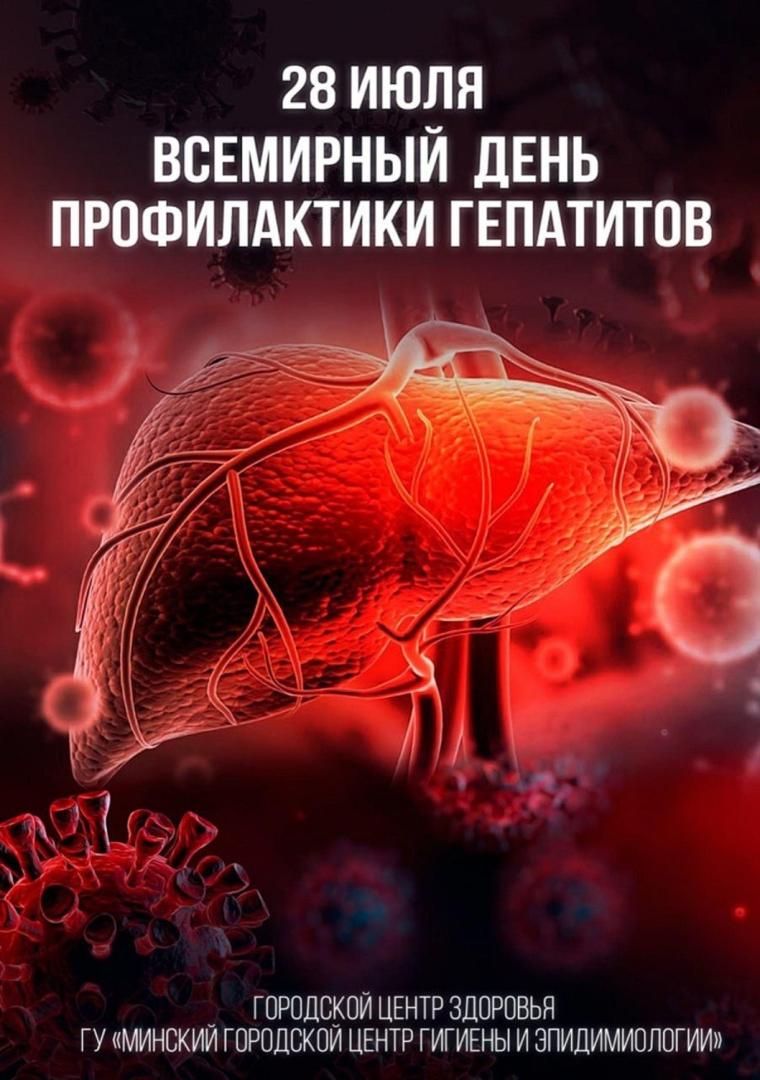


World Hepatitis Day is celebrated on July 28 every year to raise awareness about viral hepatitis, an inflammatory liver disease that causes severe liver disease and liver cancer.
Currently, a new outbreak of acute hepatitis of unknown etiology is occurring in the world, which is infecting children. WHO is working with scientists and authorities in affected countries to identify the causative agent, which cannot be attributed to any of the five known types of hepatitis virus – A, B, C, D or E.
The new outbreak is a reason to draw attention to cases of acute viral hepatitis, which infect thousands of children, adolescents and adults every year. In most patients, acute infectious hepatitis is mild and not even detected. However, in some cases it can lead to complications and death of the patient. As of April 2026, 1.34 million people worldwide died from viral hepatitis B and C (accounting for 95% of deaths).
Global efforts to combat hepatitis are designed to primarily eliminate hepatitis B, C and D. These three infections, unlike acute viral hepatitis, cause chronic hepatitis, which lasts for decades and leads to the death of 1 million people annually from cirrhosis and liver cancer. We have methods and means for diagnosing, treating and preventing chronic viral hepatitis, but such services are often inaccessible to the population and are often provided only centrally or in specialized medical institutions.
WHO has set a goal of eliminating viral hepatitis by 2030. To achieve this goal, WHO calls on countries to meet a number of specific targets:
- reduce the number of new cases of hepatitis B and C infection by 90%;
- reduce the number of deaths from cirrhosis and liver cancer by 65%;
- ensure detection of hepatitis B and C in at least 90% of such patients; And
- provide adequate treatment to at least 80% of patients in need of treatment.